
CAM Explorer

Your training – all the course information at a glance
Participants in this training course will become familiar with the Tebis user interface and CAD data handling and learn how to import external data via interfaces.
It covers the basics of CAM programming for prismatic parts, from simple contours to more complex structures.
The focus is on 2.5D machining strategies for drilling, roughing, and finishing processes, as well as simple 3D machining.
🕔 5 days
📌 Martinsried / Göppingen
💻 Online
📅 Dates available
📩 Dates on request
Dates
📩 Looking for available dates? We’d be happy to check out specific options – send an email!
November 2, 2026 / Göppingen, Germany
November 2, 2026 / Online training, on your computer
December 7, 2026 / Martinsried, Germany
December 7, 2026 / Online training, on your computer
January 18, 2027 / Martinsried, Germany
January 18, 2027 / Online training, on your computer
February 15, 2027 / Göppingen, Germany
February 15, 2027 / Online training, on your computer
March 8, 2027 / Martinsried, Germany
March 8, 2027 / Online training, on your computer
April 12, 2027 / Göppingen, Germany
April 12, 2027 / Online training, on your computer
May 10, 2027 / Martinsried, Germany
May 10, 2027 / Online training, on your computer
June 7, 2027 / Göppingen, Germany
June 7, 2027 / Online training, on your computer
July 12, 2027 / Martinsried, Germany
July 12, 2027 / Online training, on your computer
Prerequisites
None
Target group
New CAM users
Tebis CAM programming basics for mostly prismatic parts – from simple contours to more complex structures.
Ideal for getting started with efficient and reliable 2.5D machining and simple 3D machining, data import, part analysis, and CAM programming
Contents
Participants in this training course will become familiar with the Tebis user interface and CAD data handling and learn how to import external data via interfaces.
It covers the basics of CAM programming for prismatic parts, from simple contours to more complex structures.
The focus is on 2.5D machining strategies for drilling, roughing, and finishing processes, as well as simple 3D machining.
This training course covers the basics and offers an intro to reliable Tebis programming.
Training on part classes I & II
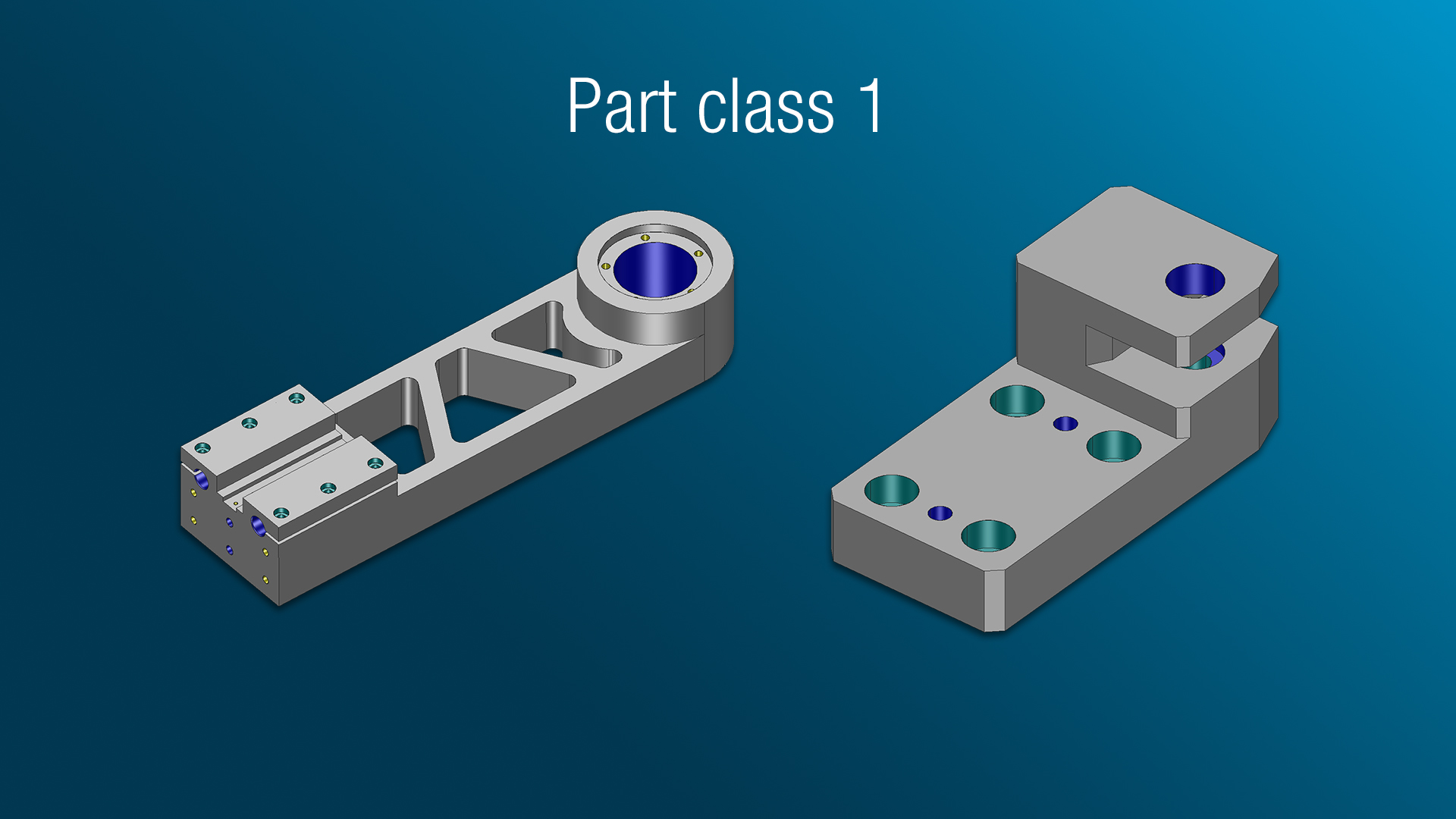
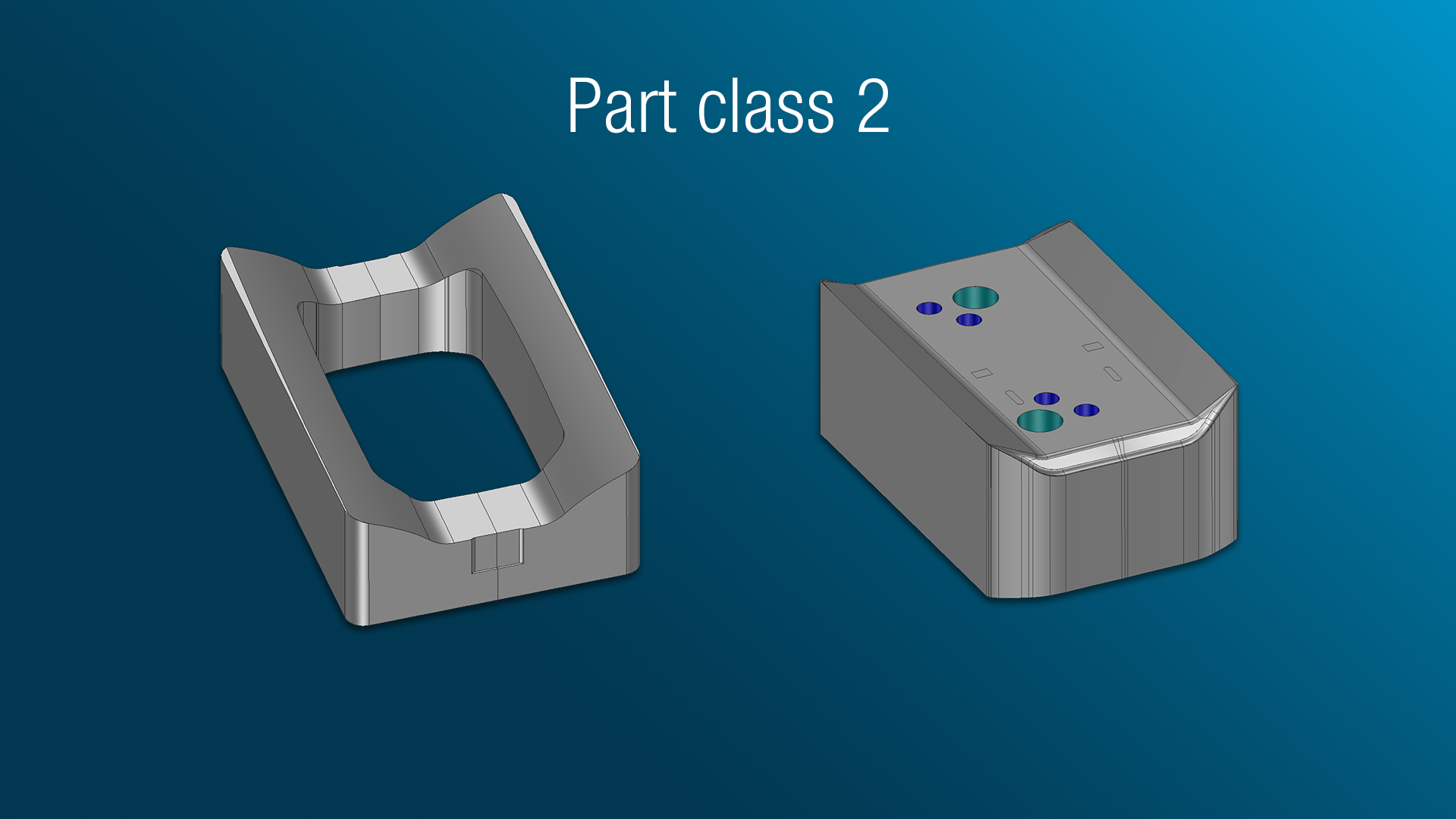
Overview of part class examples
Focus
- Tebis user interface
- Basics of CAM operation and geometry selection
- Analysis functions
- Creation of toolpaths for standard operations (face milling, drilling, pocket milling)
- Machining deep pockets, sloped surfaces, and multi-side setups
- Drilling
- Simulation and collision checks for process safety
Objectives
Participants will learn how to efficiently program prismatic parts from part classes I & II, starting with simple 2.5D machining and progressing to more complex geometries.
This provides a solid foundation for confidently using the CAM system and increases productivity in manufacturing.
Advanced training courses
Conditions
Göppingen, Germany
