-

Designing, manufacturing, and measuring with Tebis CAD/CAM and MES software

Our range of software includes Tebis CAD/CAM software and ProLeiS MES software. Both applications were developed by Tebis. Both are modular in structure and are integrated with each other.
- Tebis CAD/CAM software for design and manufacturing tasks
- Process libraries for storing your own manufacturing environment and manufacturing knowledge
- ProLeiS Base with stored employee and machine resources
- ProLeiS module groups for preplanning, productive planning, and document management. Supplemental modules for operating data, logistics, ERP, and PDM coupling, and quality management
- A variety of licensing and financing models, including free viewers and student versions
- Modular software solutions
We regularly inform our customers of new software features and upgrades in newsletters, via the Customer Community, and in printed brochures, which you can download here.
CAD/CAM software
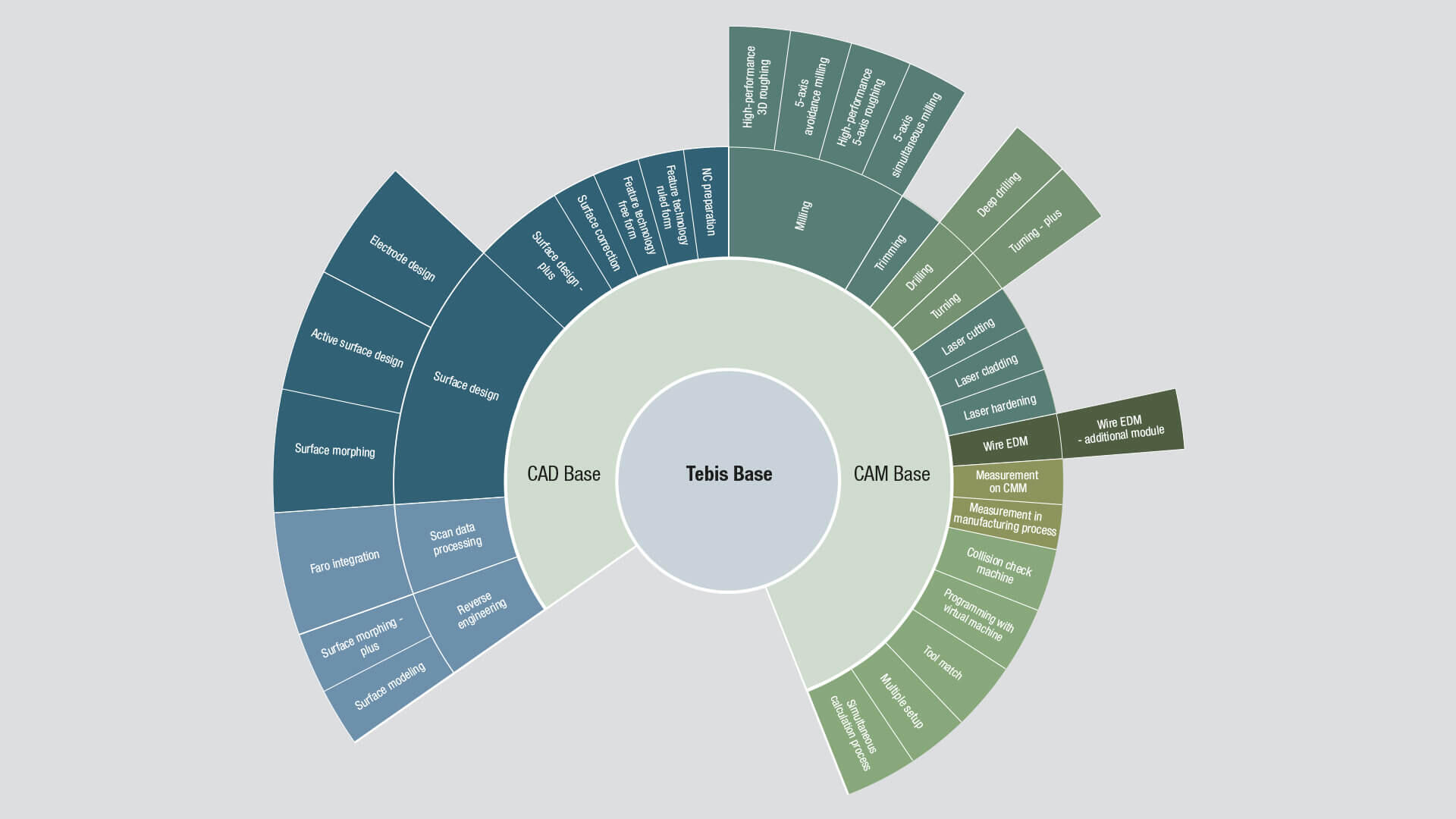
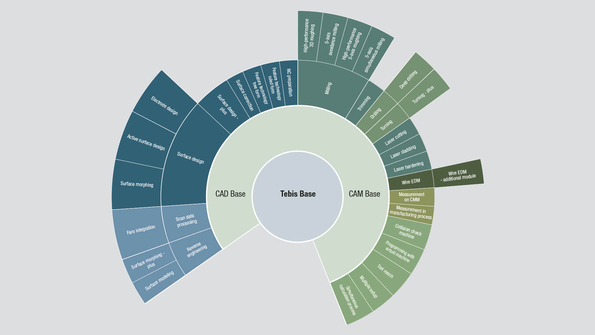
Tebis can be configured for nearly every 3D design and manufacturing task. This results in workstations with modular equipment that is precisely adapted to your CAD/CAM/NC manufacturing processes. All technologies are based on Tebis – the central platform for all CAD and CAM processes that can be automated – from the sketch, to solid and surface design, to simultaneous 5-axis milling and measurement on the machine directly in the manufacturing process.
The workstations can be extended as needed to meet nearly any requirements.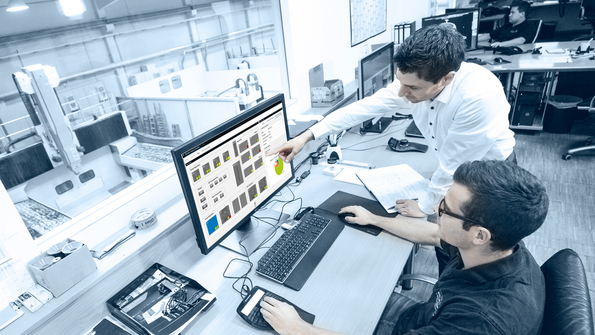
ProLeiS: The MES software from Tebis
Efficiently plan, control, and evaluate single-part manufacturing. In conjunction with ProLeiS MES software, Tebis CAD/CAM software offers you comprehensive data management, manufacturing planning, and manufacturing control functions you can use to effectively plan and control the procurement and manufacturing of all individual parts of sheet metal forming dies and injection molds – from the offer to the finished product.
Advantages of Tebis CAD/CAM software
Robust parametric/associative system base and solid kernel
As an easily modified CAD hybrid system, Tebis CAD/CAM software combines solid technology with proven surface technology.
In contrast to many other volume-based CAD/CAM systems, Tebis doesn’t distinguish between surfaces and open or closed solids. Benefit: In practical design and data preparation, it’s absolutely essential to be able to intersect surfaces like draft angles with volumes or open and closed solids without causing error messages. Therefore, a result is always calculated – even if there are gaps in the surface topology.Simple, intuitive user guidance
Tebis CAD/CAM software’s user interface undergoes continuous improvement in close cooperation with Tebis users and is consistently oriented toward the logical approach of CAD designers and CAM programmers.
Tebis users organize their work completely through a practical structure tree. All CAD and CAM activities are therefore traceable at all times.
With the Job Manager integrated into the structure tree and Tebis NCJob technology, all NC programs can be created and managed for all technologies needed to manufacture a part – from milling, to turning, to hardening. The Job Manager represents the complete manufacturing process with clearly structured operating sequences.Many manufacturing methods – one software solution
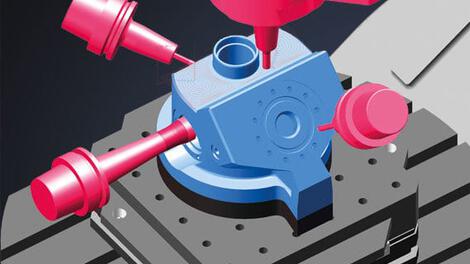
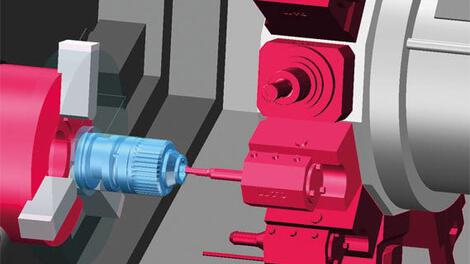
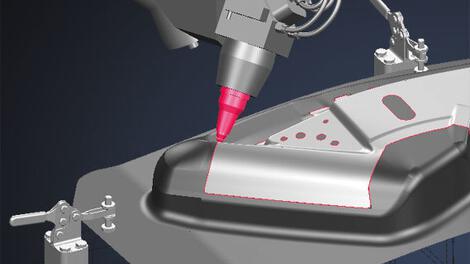
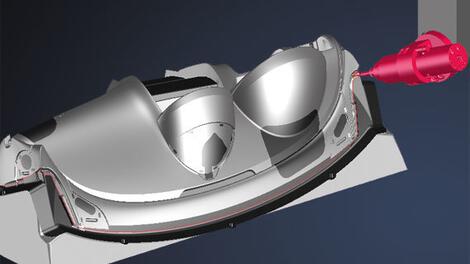
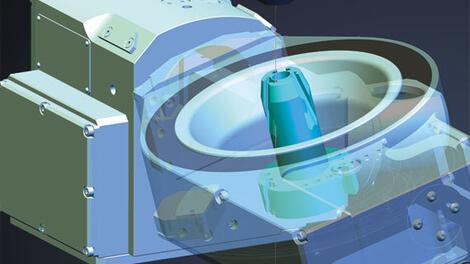
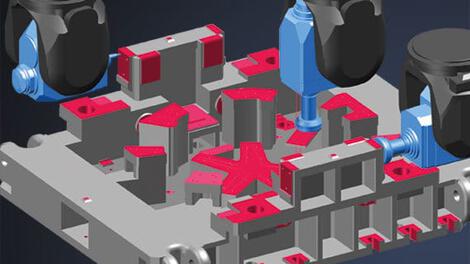
You can keep all your manufacturing machinery running smoothly with software from a single source. Whether you need 3- or 5-axis milling, drilling, turning, laser cutting, laser hardening, trimming, hammer peening, or sinker and wire EDM, Tebis supports the entire spectrum. This single-system strategy makes the manufacturing process more fluid, faster, and more transparent.
Practical digital solutions for businesses of all sizes
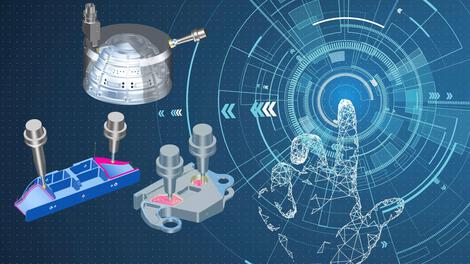
With its three-stage solution concept for digitalization of manufacturing, Tebis offers tailor-made packages for companies of all sizes:
Digitalization of the manufacturing environmentAll components of the real manufacturing world are completely represented to the last detail as digital twins in virtual databases.
 Digitalization of manufacturing knowledge
The company’s entire manufacturing knowledge is represented in virtual databases and is available at any time.
 Digitalization of manufacturing processes
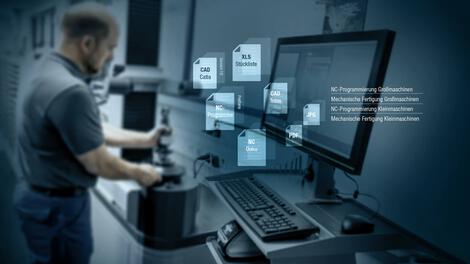
Digital horizontal networking of all economic, technical, logistical, and organizational process stations.
Specializing in single-part and small-series manufacturing
Tebis CAD/CAM software is optimally designed for the large number of variants that occur in single-part and small-series manufacturing.
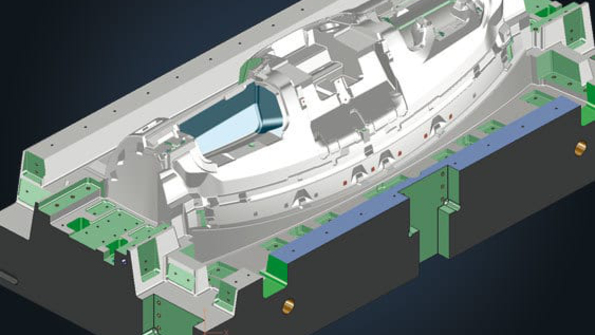
There are no limits on part complexity, part size, or data volume. With the easily-modified parametric solid kernel with its robust calculation algorithms, preparation and programming are simple and straightforward, even for large parts and complex geometries.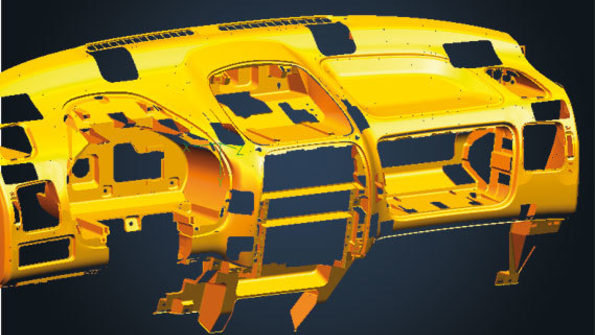
First-class interfaces
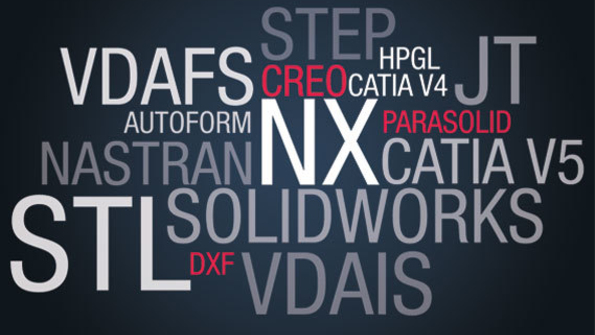
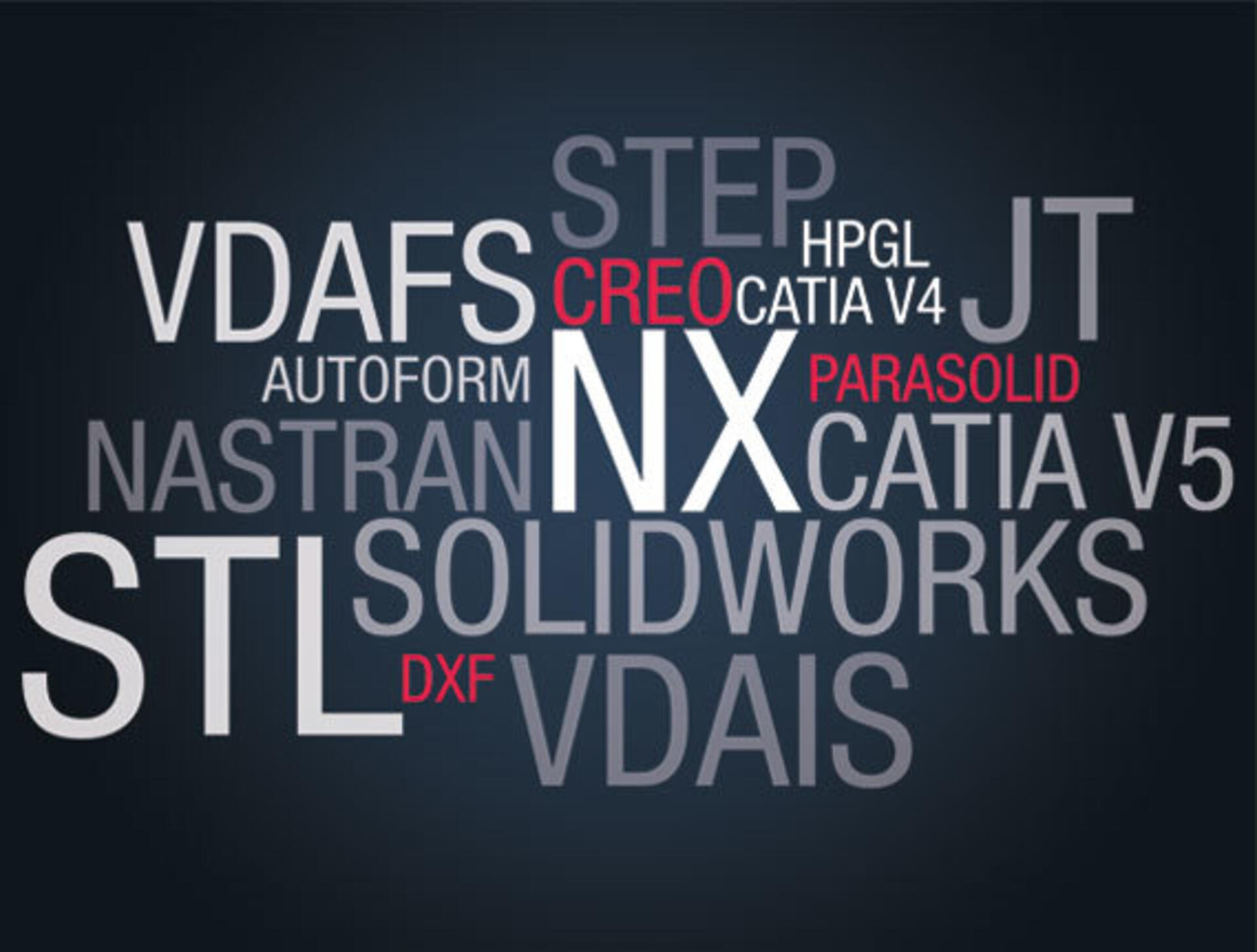
Tebis interfaces are truly first-class. You can efficiently exchange geometries with other CAD systems, like CATIA, NX, or SOLIDWORKS, with no loss of data. Assemblies are automatically split into individual manufacturing files upon import, with automatic optimization of surface quality. Structural data like assembly, layer, set, filter, and color information is also transferred. The surface quality optimized in Tebis is also retained in the target system upon export via direct interfaces.
Top technology for outstanding surface qualities
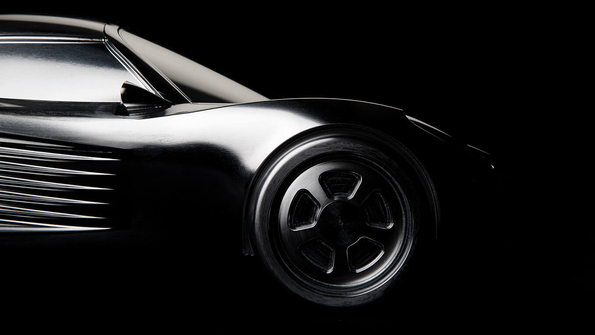
NC-manufactured free-form surfaces are only as good as your CAD data. With the Tebis functions for designing, modeling, repairing, morphing, and reverse engineering, you can give your CAD models the surface quality that meets your manufacturing requirements.
Tebis transfers the high quality of the CAD surfaces to the NC programs. The software calculates NC paths on the mathematically exact surfaces instead of on tessellated substitute models, like polyhedra. Finish quality can also be influenced by adjustable NC point distributions. This eliminates time-consuming manual reworking.Convenient manufacturing preparation for standardized CAM programming
Specialized CAD functions enable NC programmers to conveniently prepare their manufacturing models for subsequent NC processes. Set your course for automated CAM programming with standardized NC templates and outstanding surface quality.
Automatically detect slots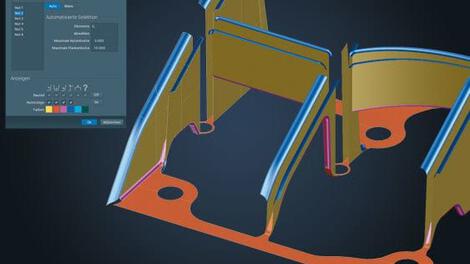 Split the part into milling areas for automated CAM programming
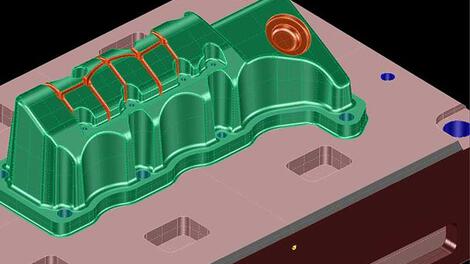 Extend surfaces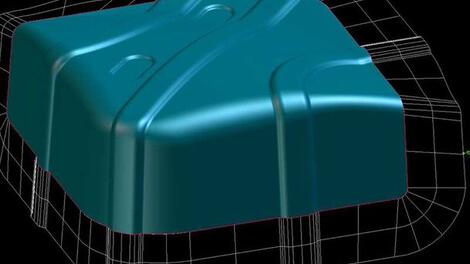
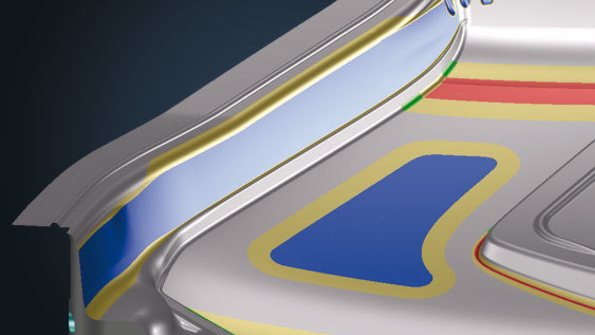
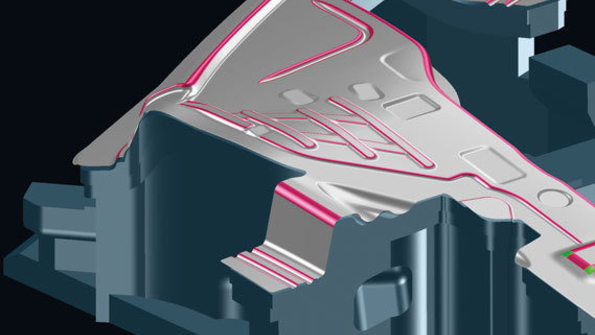
Active surface preparation with a tremendous impact in the tryout phase
Specialized CAD functions for active surfaces let you integrate active surfaces with perfectly prepared, precise surfaces into your dies. You can use automatic features to create transition-free pressure surfaces as well as radius areas adjusted for the relevant pressing conditions. In this way, you can manufacture your dies without NC attributes like virtual sheet thicknesses and stock allowances. This significantly reduces manual tryout work after NC machining.
Short run times on machines
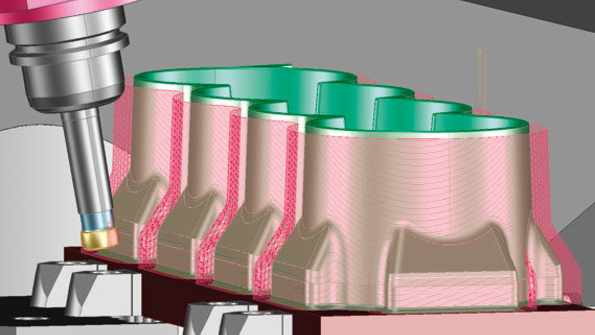
The Tebis NC algorithms, the result of more than 30 years of continuous development, ensure time-saving, effective machining operations on the machines with minimum idle travel and maximum cutting performance. They also include sophisticated technical support for HFC, HPC, and circle-segment cutters for roughing, prefinishing, and finishing. You can fully exploit the potential of these tools with special contact algorithms and path layouts with full-cut avoidance.
Virtual machine technology for maximum reliability
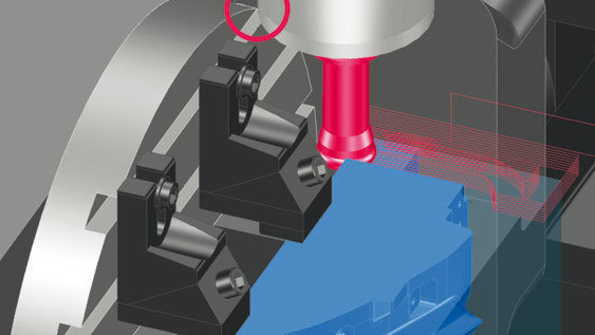
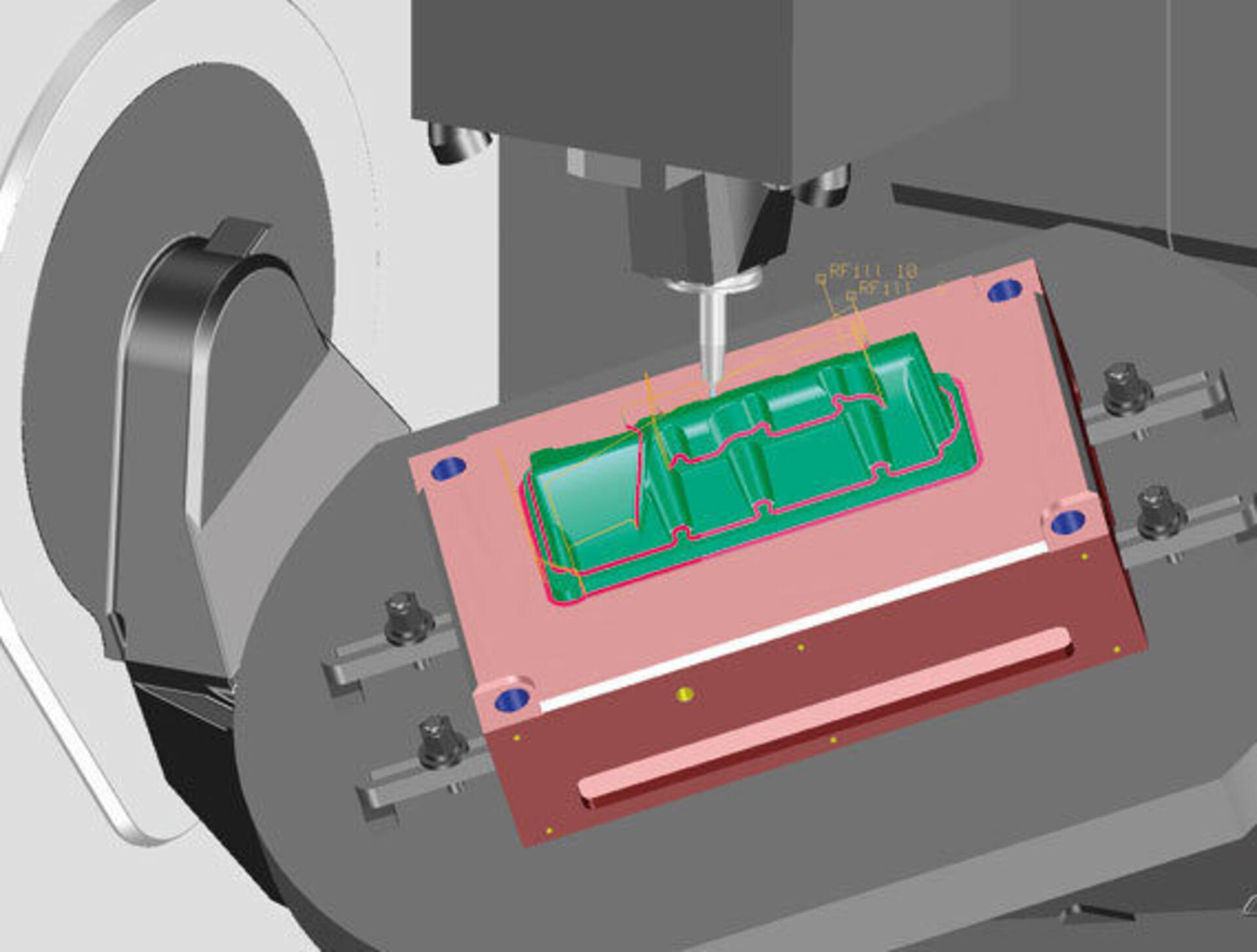
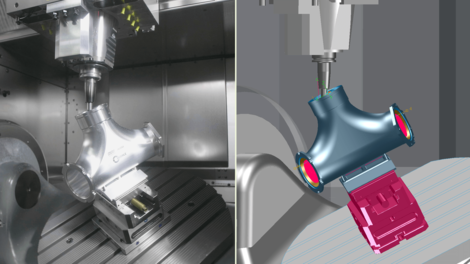
Tebis process libraries reflect the real manufacturing environment. They store all tools, machines, clamping devices, and units as digital twins so they are usable right in the planning phase with their geometric and technical properties.
This gives NC programmers a safety advantage, since they can select the appropriate machines and tools and define the optimal setup in this virtual environment.
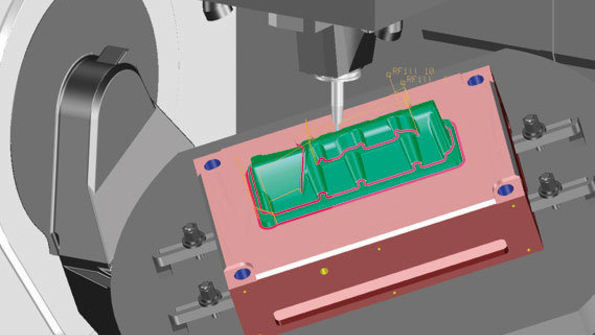
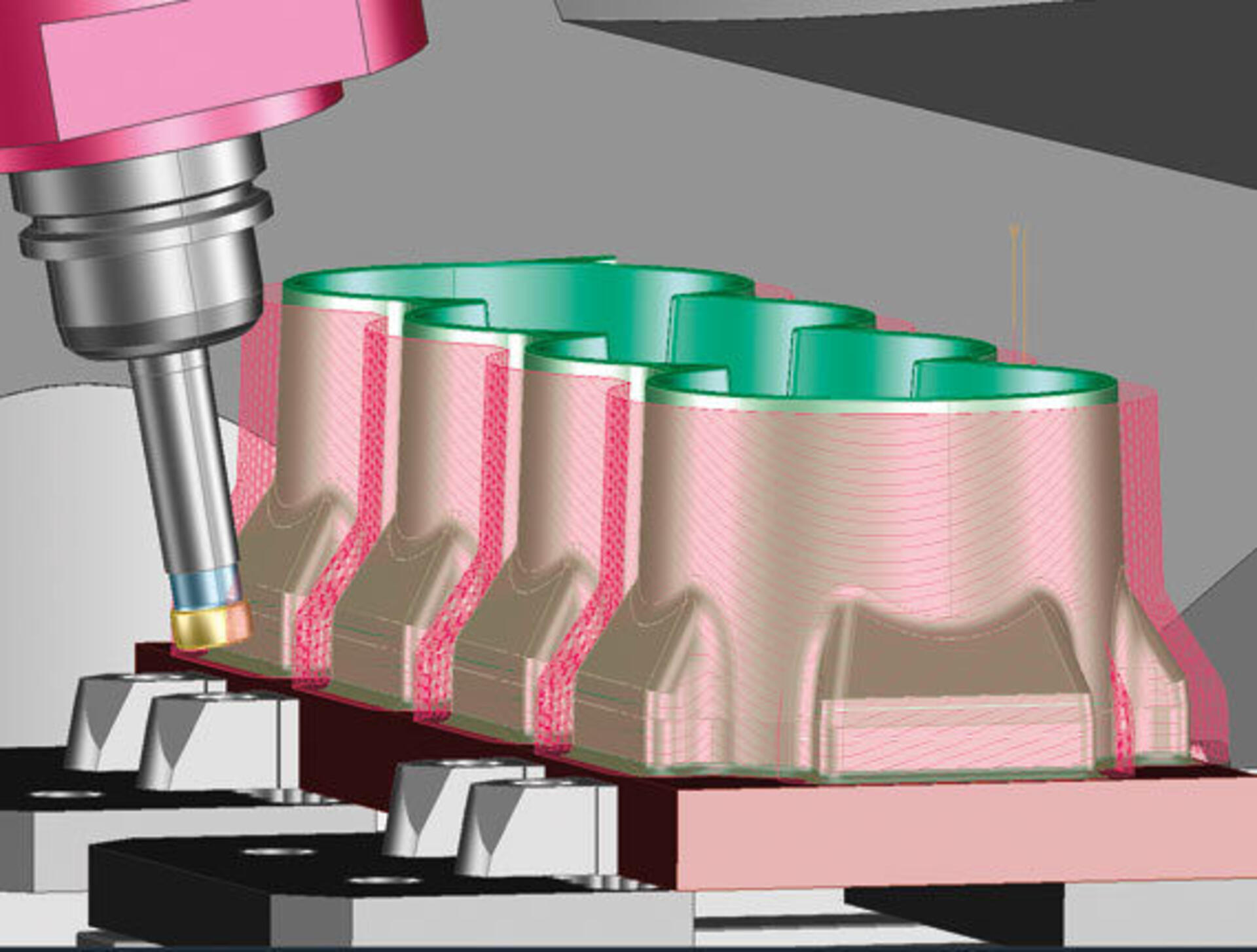
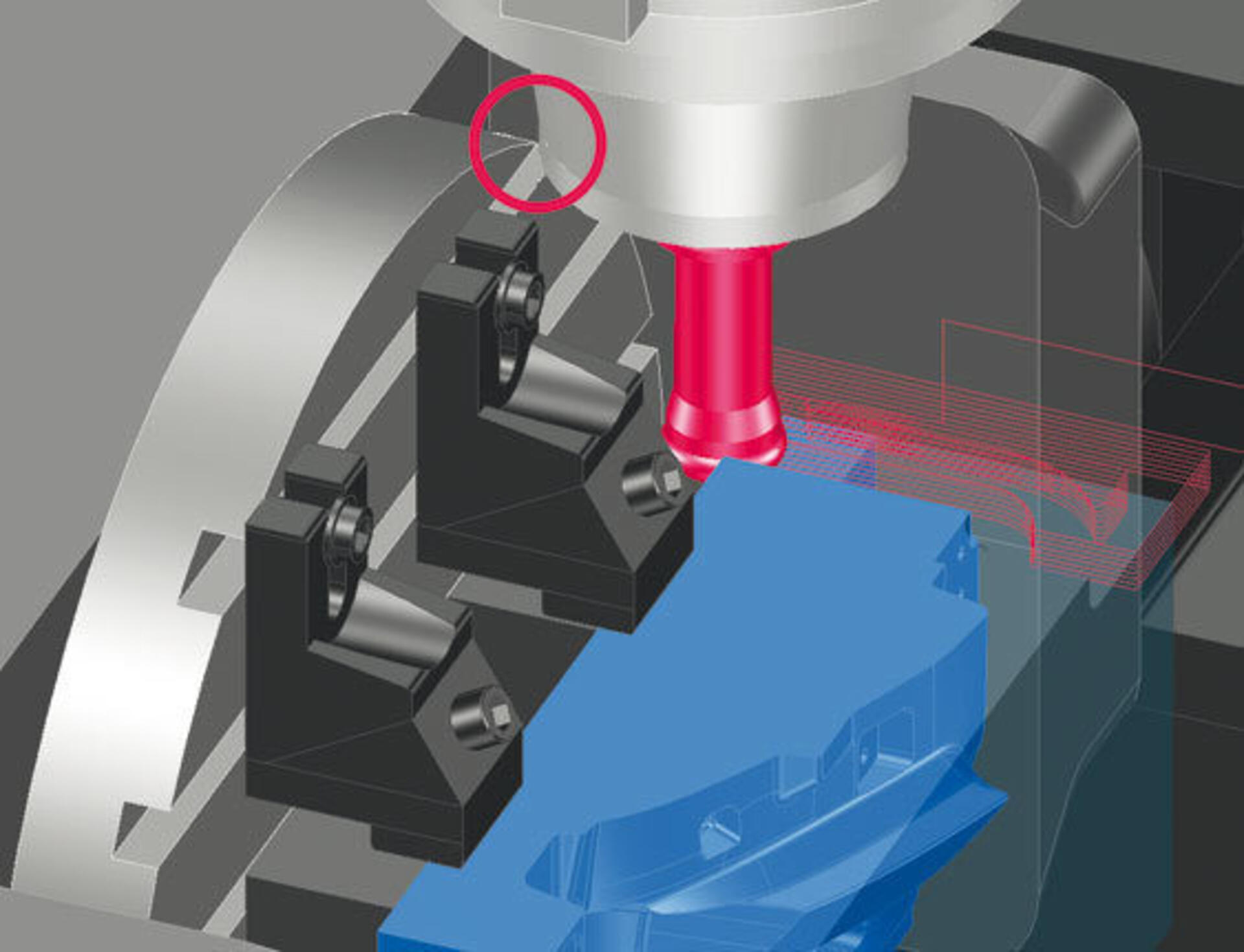
Tebis uses exact virtual representations of the real geometries when calculating the NC paths, ensuring absolutely reliable detection of collisions. Collisions are automatically avoided by milling area reduction or by 5-axis avoidance.
Before machining, you can use the integrated machine simulation to check the entire machining operation for collisions and limit switch conflicts to protect your valuable machines and parts.Perfect for complex multi-axis machines
Tebis supports the entire range of common machine controls and all common machine types: These also include complex multi-axis machines and multi-function machines, such as turning/milling machines, lathes with main and secondary spindles, deep-hole drilling machines, and robots with additional axes.
Tebis digitalizes your individual adjustments on site. Postprocessors and virtual machine models are fully configured and approved.Planning reliability with integrated MES system
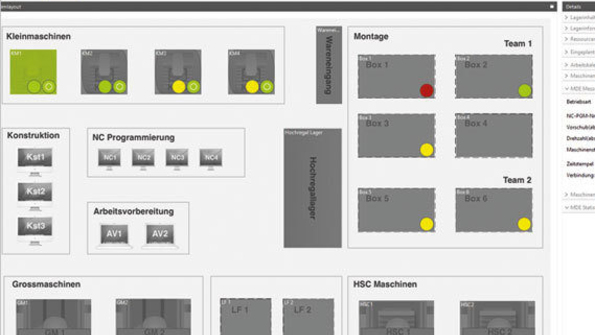
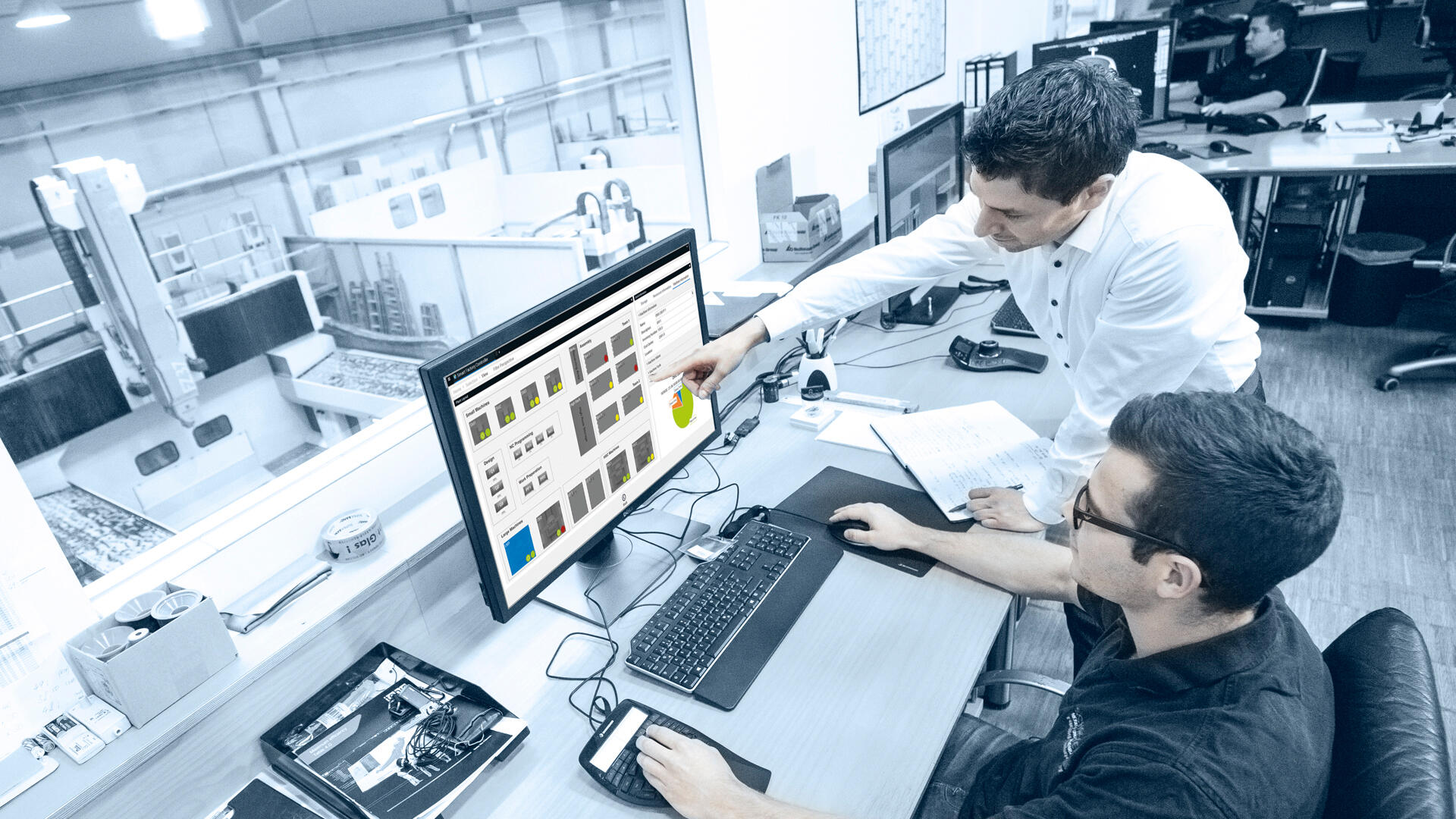
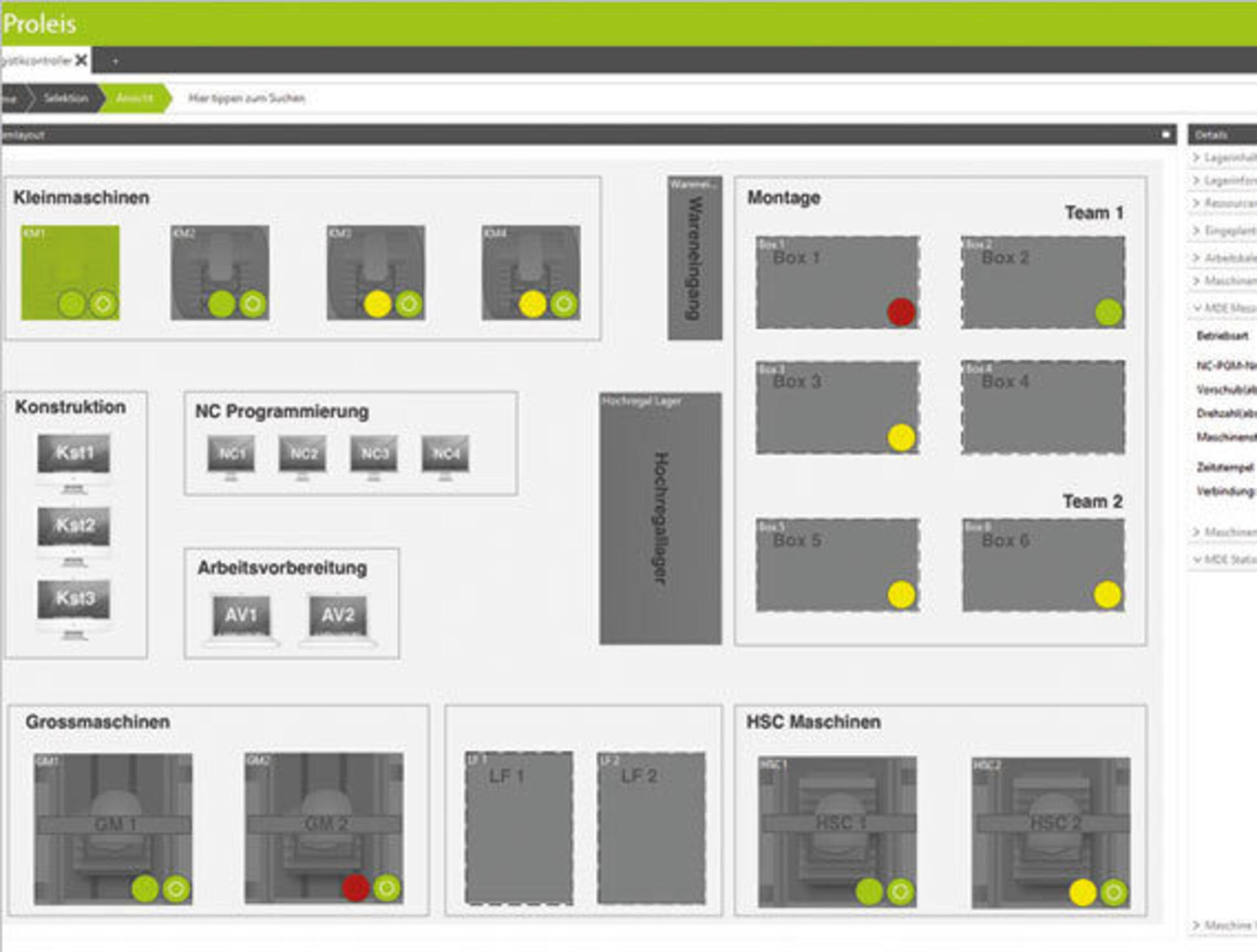
The ProLeiS MES (manufacturing execution system) works hand-in-hand with Tebis CAD/CAM software and is integrated into the Tebis user interface. This allows you to organize, plan, and control your manufacturing projects – including machine planning, materials, and tool logistics. The integrated machine and manufacturing data acquisition always keeps you supplied with up-to-date, realistic information.
Customized CAD/CAM solutions for every application
The Tebis CAD/CAM system can be configured for nearly all 3D design and manufacturing tasks. This results in workstations with modular equipment that is precisely adapted to your CAD/CAM/NC manufacturing processes. All technologies are based on Tebis – the central platform for all CAD and CAM processes that can be automated – from the sketch to solid and surface design, to simultaneous 5-axis milling and measurement on the machine directly in the manufacturing process.
The workstations can be extended as necessary to meet nearly any requirements.Frequently Asked Questions (FAQ) about CAD/CAM software
What is CAD/CAM software?
How do I use CAD/CAM software?
CAD designers use CAD software to create a precise detailed model of the product to manufacture. High manufactured part quality requires high surface quality in the CAD model.
The CAM software automates the manufacturing process. CAM programmers use digital twins to plan and simulate the manufacturing process and generate the NC code for the machine to manufacture the part.
How much does CAD/CAM software cost?
The cost of CAD/CAM software depends on the requirements of your company and industry as well as the functionalities used.
Interested in consulting?